

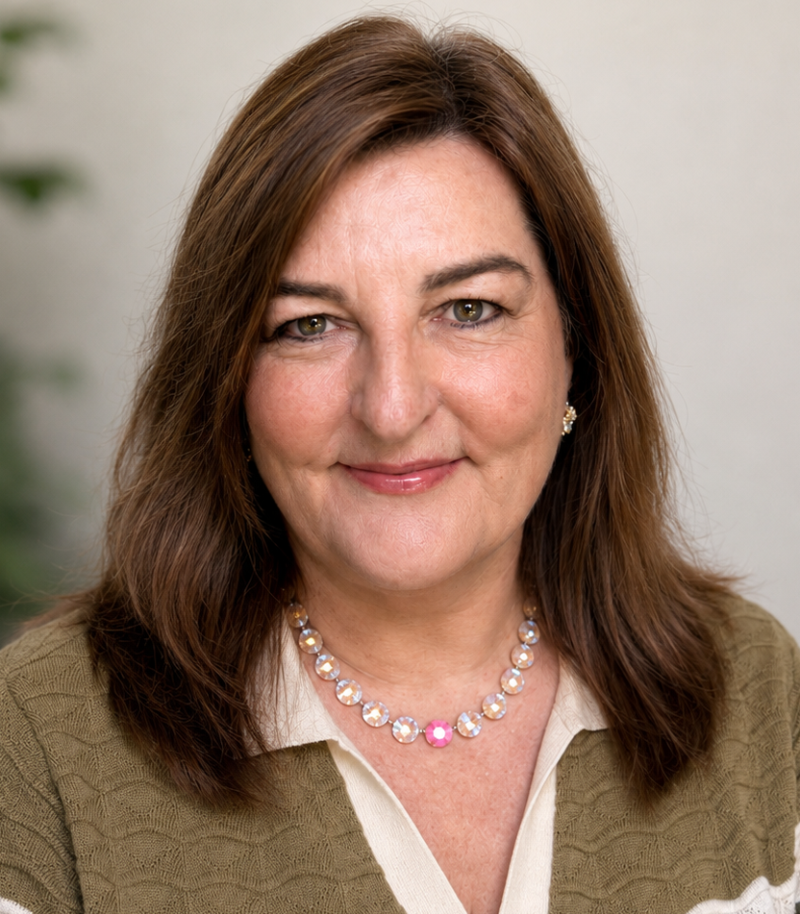
Adair Roberts, M.A.
Deciding to begin therapy isn’t always easy. You may have been thinking about it for a long time, or perhaps something in your life has reached a point where you feel ready for support. Whatever has brought you here, I hope to provide a warm, collaborative, and welcoming space where you can feel heard, understood, and accepted. Choosing a therapist is an important decision, and I hope the information below gives you a sense of who I am, how I work, and what you can expect if we decide to work together.
Individual Therapy: I work with older adolescents, emerging adults, and adults facing a wide range of mental health concerns, including anxiety, depression, obsessive-compulsive disorder (OCD), the effects of trauma, and psychosis. I also work with neurodivergent individuals, including autistic people and those with ADHD, building on their strengths while addressing the challenges that can arise when navigating environments designed primarily around neurotypical expectations. In addition, I support people working through relationship difficulties, navigating major life transitions, and exploring their gender and/or sexual identity. I also support people seeking to understand themselves better, strengthen their relationships, or develop healthier ways of coping with life’s challenges.
Couples Therapy: In my work with couples, I support partners in strengthening emotional connection, improving communication, and navigating the challenges that arise over the course of a relationship. Couples often seek therapy when they feel stuck in recurring patterns of conflict, disconnected from one another, or trying to repair trust following relationship injuries. Together, we’ll explore the experiences, emotions, and interactional patterns that shape your relationship while developing new ways of understanding and responding to one another. I also work with couples facing the impact of mental health concerns, trauma, parenting, financial stress, and other significant life circumstances that can affect relationships.
Many people come to therapy with several concerns, and together we’ll explore how they connect and influence one another. Whether you arrive with a clear sense of what you’d like to work on, or simply know that something doesn’t feel right, we’ll work together to understand what’s getting in the way and identify meaningful steps toward the life you want to live. Throughout our work together, I strive to create a therapeutic relationship grounded in warmth, curiosity, authenticity, and respect. I believe meaningful change starts with feeling understood and developing a shared understanding of the challenges that have brought you to therapy. I welcome clients from all cultural, racial, gender, and sexual backgrounds and identities, and am committed to creating a space where you feel respected, understood, and accepted.
How I Work: My approach to therapy is collaborative, flexible, and grounded in scientific evidence. Rather than relying on a single therapy model, I draw from several evidence-based approaches, recognizing that different approaches tend to help with different concerns and at different points in therapy. Sometimes our work may focus on developing practical strategies to reduce distress, manage overwhelming emotions, or change patterns of thinking and behaviour that are no longer serving you. At other times, we may explore longstanding patterns in your relationships, emotions, or sense of self that continue to shape your present-day experiences. We may also spend time clarifying your values, strengthening self-compassion, improving relationships, or developing greater psychological flexibility so that you can respond more effectively to life’s challenges. Throughout therapy, we’ll work together to decide which approaches are most likely to help you achieve your goals.
More specifically, my work is informed by several evidence-based treatment approaches, including Cognitive Behavioural Therapy (CBT), Acceptance and Commitment Therapy (ACT), Emotion-Focused Therapy (EFT), Dialectical Behaviour Therapy (DBT), Exposure and Response Prevention (ERP), and mindfulness-based approaches. Each of these approaches has been extensively researched and shown to be effective for different concerns. What matters most is finding the combination of approaches that best fits your unique needs and goals. Regardless of the treatment approach we use, I work with all of my clients from an attachment-based, trauma-informed, anti-racist, and culturally responsive perspective.
During our first session, I’ll invite you to share your story — what’s been happening in your life, what’s felt most difficult, and what you’re hoping will be different through therapy. I’ll also want to get to know you more broadly, including your relationships, strengths, values, and life experiences. To help us develop a deeper understanding of what may be contributing to your difficulties, I use evidence-based questionnaires alongside a comprehensive psychological assessment. Together, we’ll use this information to develop a treatment plan that reflects your goals, builds on your strengths, and is tailored to your individual needs.
My Background: I am currently completing my Doctor of Philosophy (Ph.D.) in Clinical Psychology at Fielding Graduate University, where I also earned a Master of Arts in Clinical Psychology with a concentration in Social Justice and Diversity. Before pursuing psychology, I completed a Master of Arts in International Relations at Johns Hopkins University. At the Centre for Interpersonal Relationships (CFIR), I am completing my doctoral residency under the supervision of Drs. Lila Hakim and Dino Zuccarini, C. Psych.
Throughout my training, I have completed clinical practica in hospital, community mental health, and private practice settings. At Sunnybrook Health Sciences Centre, I received specialized training in the assessment and treatment of obsessive-compulsive disorder (OCD) using Exposure and Response Prevention (ERP) and Cognitive Behavioural Therapy (CBT). At Step Stone Psychology, I provided psychological assessment and psychotherapy to adolescents and adults with a wide range of concerns, including anxiety, depression, OCD, ADHD, trauma, psychosis, and gender and sexual identity exploration. At the Centre for Addiction and Mental Health (CAMH), I conducted psychological assessments related to workplace injuries and trauma, provided CBT for individuals experiencing psychosis, and worked with adults living with concurrent mental health and substance use concerns. These diverse practicum training experiences have strengthened my ability to provide individualized, evidence-based care that is responsive to each person’s unique strengths, needs, and goals.
Before beginning my career in psychology, I worked as a management consultant with McKinsey & Company and later founded and led my own healthcare management consulting company, partnering with hospitals and healthcare organizations across Canada. Working alongside healthcare leaders, physicians, and multidisciplinary teams gave me firsthand insight into the pressures of healthcare systems, workplace stress, leadership, and organizational change. Those experiences continue to shape how I think about the personal, relational, and systemic factors that influence mental health and well-being. They also reinforced my belief that growth and meaningful change remain possible throughout our lives—including my own decision to pursue psychology as a second career.
As a doctoral student, I also conduct supervised research examining the impact of childhood neglect on youth mental health and the processes shaping anti-racist identity development in adolescents. My research reflects my interest in how our relationships, environments, and life experiences shape psychological well-being. I am a Student Affiliate of the Canadian Psychological Association and the Ontario Psychological Association, and I remain committed to lifelong learning and bringing the best available psychological research into compassionate, client-centred care.
Treatments
- Anger & Emotion Regulation
- Anxiety & Stress
- Attention Deficit & Learning Challenges
- Complex/Long-Term Trauma
- Couples Therapy
- Depression, Mood & Grief
- Interpersonal Relationships
- Multicultural
- Obsessive-Compulsive
- Personality
- Self-Growth & Self-Esteem
- Sexuality, Gender & Relationship Diversity
- Substance Use
Assessment
- Attention Deficit & ADHD
- Autism Spectrum & Developmental Disorder
- Personality & Interpersonal
- Psychodiagnosis & Mental Health
Therapies
Make An Appointment
Help Is Available
Our team is here to provide inclusive and accessible solutions to help you in building a secure, resilient self, and help strengthen your relationships.

Toll Free: 1.855.779.2347
Monday
Tuesday
Wednesday
Thursday
Friday
Saturday
Sunday
8:00AM – 8:00PM
8:00AM – 8:00PM
8:00AM – 8:00PM
8:00AM – 8:00PM
8:00AM – 5:00PM
8:30AM – 4:30PM
Closed
Eastern Time Zone
Ottawa Centre
336 MacLaren St.
Ottawa ON K2P 0M6
(MacLaren & O’Connor)
Local: 613.686.6645
Fax: 613.714.1013
St. Catharines Centre
300 – 43 Church St.
St. Catharines ON L2R 7E1
(Church & Wellington)
Local: 647.417.0182
Fax: 647.793.5438
Toronto Centre
520 – 790 Bay St., Box 87
Toronto ON M5G 1N8
(Bay & College)
Local: 647.417.0182
Fax: 647.793.5438
Charlottetown PE Centre
101 – 75 Fitzroy St.
Charlottetown PE C1A 1R6
(Fitzroy & Queen)
Local: 782.355.3233
Fax: 782.355.3232
DISCLAIMER
All stock photos used on this website are symbolic representations of clients or the therapeutic process and do not include actual clients. They are not indicative of a promised counseling outcome, as each individual’s experience in therapy is unique.
By clicking the any of the social media links, you acknowledge that a link or information from the Centre For Interpersonal Relationships Inc. website may be posted on your corresponding account. The Centre For Interpersonal Relationships Inc. cannot be held responsible for breach of privacy while individuals willingly create a connection between our public website and their social media(s) account(s). Clicking on any of the link buttons does not imply nor suggest in any way that you are, have been or will be a client at CFIR.
Centre For Interpersonal Relationships Inc. strives to ensure that all information contained in this website is accurate and reliable. The Centre For Interpersonal Relationships Inc., its Board of Directors, management, staff and/or its associates shall not be held responsible nor accept any form of liability for any type of injury, loss or damage as a direct or indirect result of the use, inability to use, misuse or abuse of the website’s content or functions.
WWW.CFIR.CA is a gateway offered as a service to independent registered mental health professionals. The use of “we”, “our” and “ours” refers to registered mental health professionals. The information contained in this website is not intended to replace consultations with your mental health professional or to provide medical advice or diagnosis.
CFIR Clinical Psychology Residency—CPA Accreditation News
Psychologists at the Centre for Interpersonal Relationships (CFIR) are thrilled to announce that our doctoral residency training program has received accreditation by the Canadian Psychological Association (CPA) for a 4-year term. Our next site visit will take place 2026-2027.
Information regarding accreditation can be obtained by contacting the CPA Accreditation Office at:
Canadian Psychological Association
141 Laurier Avenue West, Suite 702
Ottawa, Ontario, K1P 5J3
Tel: 613-237-2144
Toll Free: 1-888-472-0657
Email: accreditationoffice@cpa.ca
Website: https://www.cpa.ca/accreditation/
Our registered psychologists are proudly affiliated as clinical supervisors with the following universities:
UNIVERSITY OF OTTAWA

UNIVERSITY OF TORONTO