
Body-Based Therapies: Healing from Trauma and Chronic Stress

Trauma and chronic stress deeply affect our bodies and minds, leaving lasting imprints in our cognitive and physiological memory. Physiological memory stores the physical sensations and reactions tied to traumatic experiences, which can resurface through triggers and lead to recurring distressing symptoms. 

Body-based therapies recognize the vital role of the body in trauma healing. By integrating body and mind, these therapies provide effective tools to unlock deep healing potential. They encourage us to reconnect with our bodily sensations, movements, and postures, tapping into the wisdom of the body. This process allows for the exploration and release of tension, leading to increased body awareness. 

A key aspect of body-based therapies is learning to regulate our physical responses. Therapists can help clients gain a better understanding of their bodily impulses and sensations, guiding them in safely navigating trauma-related sensations. By gradually learning skills to regulate arousal levels, we can regain control over our bodies, promoting resilience and regulation. 

Body-based therapies also focus on integrating traumatic experiences into our overall narrative. By bridging cognitive and physiological aspects of trauma, we can form a coherent and compassionate understanding of our journey. This integration cultivates a sense of safety, healing, and wholeness. 

Recognizing the interconnectedness of our bodies and minds is crucial for healing trauma and chronic stress. Body-based therapies offer powerful pathways to overcome these challenges while honouring the wisdom of the body. By embracing these approaches, we can embark on transformative journeys toward healing, resilience, and a renewed sense of well-being. 

Grabbe, L. (2017). The Trauma Resiliency Model: A “Bottom-Up” Intervention for Trauma

Psychotherapy. Journal of the American Psychiatric Nurses Association, 24(1). https:/

doi.org/10.1177/1078390317745133 

Fisher, J. (2011). Sensorimotor Approaches to Trauma Treatment. Advances in psychiatric

treatment,17, 171–177. doi: 10.1192/apt.bp.109.007054 

Fisher, J. (2019). Sensorimotor Psychotherapy in the Treatment of Trauma. Practice Innovations,

4(3), 156-165. https://janinafisher.com/wp-content/uploads/2023/03/sensorimotor

psychotherapy-trauma.pdf 

Laura McKinney, B.A., is a therapy and assessment practicum student working under the supervision of Dr. Lila Hakim, C. Psych., currently completing her master’s in psychology. As a practicum student, Laura offers therapy at a discounted rate. She is passionate about helping clients heal from trauma and chronic stress. Please check out her profile on the Toronto team page on the CFIR website for more information.”

The Profound Impact of Cancer: Posttraumatic Stress and Posttraumatic Growth

Cancer can completely upend your life and the lives of those who love you. It not only affects you physically, but also has profound emotional and psychological consequences for everyone involved. From the moment you receive the diagnosis to the often challenging or even excruciating medical treatments, cancer brings a whirlwind of difficulties that can lead to symptoms of posttraumatic stress. People living with cancer may have symptoms of post-traumatic stress at any point from diagnosis through treatment, after treatment is complete, or during recurrence. This can range from experiencing irritability, hypervigilance, and sleep disturbances, to loss of interest in life and feeling detached from oneself or reality.  

In simple terms, the trauma of cancer can greatly reduce your ability to handle and cope with stress and emotions, narrowing your “window of tolerance.” Within this window of tolerance, we usually feel safe, calm, and capable of effectively managing stress and emotions. However, cancer pushes us to our limits, often causing this window to shrink. It becomes much more challenging to find that sense of safety and calmness in the face of overwhelming stress. 

However, survivors of cancer also often report experiencing posttraumatic growth (PTG) after their journey. PTG refers to the positive psychological changes that can occur in people following the experience of a traumatic event or significant life crisis. PTG can include improved relationships, new possibilities for life, a greater appreciation for life, increased personal strength, and spiritual development. 

PTG coexists with personal distress and does not diminish the emotional impact of traumatic events or the amount of work that it takes to achieve it. It is not a universal or inevitable outcome for all people who experience trauma, but by working with a mental health practitioner, you can work towards achieving PTG. Embracing the potential for posttraumatic growth means embracing the opportunity to discover new paths and possibilities that may have never been considered before. It means finding a deeper appreciation for what life has to offer and a renewed sense of purpose. 

Cancer-related post-traumatic stress. National Cancer Institute. (n.d.). https://www.cancer.gov/about-cancer/coping/survivorship/new-normal/ptsd-pdq  

Jim, H. S., & Jacobsen, P. B. (2008). Posttraumatic stress and posttraumatic growth in cancer survivorship: A Review. The Cancer Journal, 14(6), 414–419. https://doi.org/10.1097/ppo.0b013e31818d8963  

Tedeschi, R.G. & Calhoun, L. (2004). Posttraumatic Growth: A New Perspective on Psychotraumatology. 21(4). https://www.bu.edu/wheelock/files/2018/05/Article-Tedeschi-and-Lawrence-Calhoun-Posttraumatic-Growth-2014.pdf 

Laura McKinney, B.A., is a therapy and assessment practicum student working under the supervision of Dr. Lila Hakim, C. Psych., currently completing her master’s in psychology. Alongside her placement at CFIR, Laura is training as a therapist at Princess Margaret Cancer Centre, where she is working with individuals living with cancer. As a practicum student, Laura offers therapy at a discounted rate. Please check out her profile on the Toronto team page on the CFIR website for more information.

THE TRUE AND FALSE SELF

 The idea of being ‘authentic’ pops up often in popular psychology. It’s now common parlance to say, ‘just be yourself’. But if you are like me, at some point, you might have frustratingly wondered what does that mean? And what does it mean when we are not being authentic?   

Dr. Donald Winnicott’s theory of true and false self is helpful in answering these questions. In his work as a pediatrician and psychoanalyst, he saw infants as essentially a ball of needs and desires that expresses themselves spontaneously through cries, laughs, screams, and bites. Healthy development, in his view, requires a period when the child doesn’t have to be concerned with the worries and expectations of those who are taking care of them. This requires caregivers to adapt and create a holding environment that allows them to express themselves however they wish. This period of authenticity is the foundation for building a self that knows what I like what I don’t like, what my interests and passions are, and a sense that my needs are legitimate, and I can reasonably expect others to respond to them. 

We run into trouble when we are required to comply to the demands of others far too early and not having experienced much of that holding environment that allowed us to be ourselves. Perhaps a parent was depressed and overwhelmed, or a parent was often annoyed or in a rage. In these circumstances the child would have to prematurely comply, to take care of others, and to be another version of themselves—a false self. In adult life, we may become very good at taking care of others’ needs but struggle to feel satisfied in relationships. We might excel at work but find it unfulfilling. We might find ourselves having the right ‘things’ in life but lacking vitality. 

Psychotherapy is almost like a second chance for us to be in a holding environment where we can reconnect with thoughts, feelings, desires, physical felt sense that has been put away and forgotten. To be able to experience joy, anger, aggression; to scream and to laugh without being punished or shamed. From there, a more authentic sense of ourselves filled with vitality can be grown. 

Clinicians at CFIR take an integrative approach that incorporate multiple approaches such as psychodynamic, emotion-focused, and cognitive-behavioural therapies to help you reconnect with your authentic self and foster vitality in your life. 

Shaofan Bu is a Doctoral Candidate at McGill University studying Counselling Psychology. He is a Registered Psychotherapist (Qualifying) under the supervision of Dr. Dino Zuccarini. 

SHAME – Part 2: The Shame Won’t Just Go Away… The Antidote to Shame

Shame is a powerful and overwhelming emotion that can cause people to withdraw from their relationships. Shame can also make it challenging to communicate openly and honestly with others. Feeling ashamed can affect one’s ability to express their authentic wants, needs and desires and hinder intimacy and connection.

Once you become aware of someone’s shame, sit with them in it and do not attempt to change or move past it. However, there are ways that you can overcome shame; here are 5 ways to start healing the feeling:

The 5 S’s of Healing Shame

SEE – Identify shame triggers and learn about how these affect you in your relationships.

SELF-TALK – You can change how you talk to yourself by changing what you say. For example, if your inner critic tells you that “you are not enough,” try replacing this with a statement like “I am enough” or something else in line with the truth of who and what is really important for you.

SAFETY – Recognize the urge to isolate in order to feel safe as you move through the feelings of shame. When another person creates a safe environment, you are able to be vulnerable.

SHARE – By sharing your story, the other person can regulate your emotions and respond with empathy and understanding. 

SHAKE– Set boundaries and let go of the relationships perpetuating the shame cycle where you are not seen, heard and understood.

Therapy can also be an antidote to shame as it provides a framework to learn and act on the 5 S’s of healing shame. In addition, therapy offers a safe environment to be vulnerable, share your story, understand your shame triggers, and develop distress tolerance skills.

Vulnerability and empathy are the antidotes to shame. Although sharing how you feel may seem counterintuitive, it is essential in mitigating the painful effects of shame.

Laura Moore, MPsy., is a psychodynamic therapist at the Centre For Interpersonal Relationships (CFIR) in Toronto under the supervision of Dr. Lila Z. Hakim, C. Psych. Laura provides psychological services to adults and couples experiencing a wide range of concerns. Laura has a particular interest and expertise in relationship distress, with an emphasis on interpersonal and couple relationship functioning. Laura has helped countless individuals navigate issues related to intimacy, fertility, sex, infidelity, separation and divorce. Additionally, her past research focuses on cultivating spousal attunement following traumatic experiences. 


SHAME – Part 1: Shame, Shame, Go Away and Come Back Another Day…

Often hidden in the shadows of our unconscious awareness lives an uncomfortable feeling. So painful that the way we cope with it is to pretend it’s not there. By not talking about it, its power and potency continue to grow. As a result of secrecy and silence, we can even feel ashamed of our shame!

Shame is the emotion at the root of belongingness. Shame researcher, Brené Brown, defines shame as “the intensely painful feeling or experience of believing that we are flawed and therefore unworthy of love and belonging —something we’ve experienced, done, or failed to do makes us unworthy of connection.”

Shame is an important emotion to understand and acknowledge, as it can often undermine even the healthiest relationships. Shame is often used interchangeably with guilt, while guilt says, “I have done something bad. “Shame says, “I am bad.” The expression of guilt is considered psychologically healthy and allows one to acknowledge and validate their wrongdoing. While shame is a hyper-focus on the wrongdoing, the feeling of not being able to fix it compounds, it can erode our sense of self, and we are then convinced we ARE wrong.

When shame becomes an integral part of people’s image of themselves, this is how problems can occur. This persistent feeling of shame can make its way into every aspect of your life and your interpersonal relationships. Although shame can manifest in a person or relationship in various ways, here are some signs you can look out for:

Signs of Shame 

  • Feelings of Inadequacy
  • Lack of Authenticity
  • Loss of Sense of Self
  • Lack of Trust for Self
  • Distrust towards your partner
  • Fear of how your partner will perceive you
  • Fear of Judgement
  • Lack of Intimacy (Emotional and Physical)
  • Poor Communication

Overcoming shame is an important part of healing and living a fulfilling life. In the second blog in our series on shame, we will provide you with tools for overcoming it.

Laura Moore, MPsy., is a psychodynamic therapist at the Centre For Interpersonal Relationships (CFIR) in Toronto under the supervision of Dr. Lila Z. Hakim, C. Psych. Laura provides psychological services to adults and couples experiencing a wide range of concerns. Laura has a particular interest and expertise in relationship distress, with an emphasis on interpersonal and couple relationship functioning. Laura has helped countless individuals navigate issues related to intimacy, fertility, sex, infidelity, separation and divorce. Additionally, her past research focuses on cultivating spousal attunement following traumatic experiences. 

HOW DO MEN RESPOND TO THE STIGMA SURROUNDING MENTAL HEALTH?

People of all genders, ages, and origins are impacted by the stigma around mental health. Depression, anxiety, and other mental health issues are frequently not treated as seriously as physical illnesses due to this complicated and pervasive stigma. Mental health issues have long been stigmatized, which has mostly resulted from a lack of awareness of these diseases. For men, this stigma is prone to be more severe and convoluted.

One underlying cause of this issue is our society’s toxic masculinity tendencies. Some males may have a tendency to torture themselves on the inside in order to appear tough on the outside. This is typically done in order to avoid appearing “weak,” which is a quality our culture devalues mostly in men. 

Males often struggle to feel safe enough to reach out and get help for their depression, anxiety, and other problems because they are afraid of being judged and rejected. As a result, men in Canada are three times more likely than women to commit suicide. Men may find it more difficult to get mental health help before they commit suicide, which could be one explanation for this phenomena.

We must keep fighting these stigmas if we want to reverse this imbalance. As a society, we must change the way we think about mental health for people of all sexes. The need for mental health support must be normalized, and all people need to have access to these services. It’s important to understand that, regardless of our age, gender, backgrounds, or other characteristics, mental health issues are unquestionably genuine difficulties that can be incapacitating for anyone suffering them.

If you are a male experiencing mental health struggles, know that you do not have to do it all by yourself. Help is available, and being vulnerable and seeking it is a sign of courage. 

Sara Gharibi, MPsy, RP is a registered psychotherapist at Centre For Interpersonal Relationships. She provides trauma-informed psychotherapy with a focus on mental health of adults who experience social anxiety, generalized anxiety, burn out, depression, and other mental health difficulties as well. Sara provides psychotherapy in English, French, and Farsi.  

PERFECTIONISM – Is it Healthy or Unhealthy?

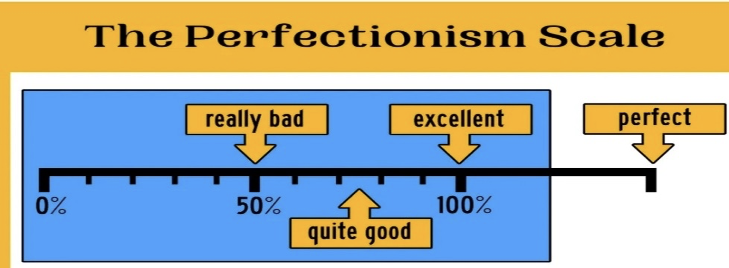
People tend to believe that perfectionism is an undesirable trait, but truthfully, it can be used as an asset rather than a liability. Generally, perfectionism is considered to be a tendency to believe there is a perfect solution to every problem, a schema that recognizes just two categories of performance—perfect or unsatisfactory, with nothing in between. Perfectionism is a multidimensional measure and it can be a personality characteristic. It is usually developed in childhood, primarily due to the perception of high expectations by parents (e.g., insecure children with low self-esteem seeking constant approval, acceptance, and affection from parents who are difficult to please). Given the perception of parental criticism, perfectionism may result in doubting the quality of one’s actions. Along with the preference for order and organization, it is also associated with procrastination and generally, individual tasks may take longer to accomplish because of a fear of mistakes. There is an argument that perfectionism can be healthy and unhealthy.

Research studies mention that perfectionism can be explained by understanding two main concepts (whether it is healthy or unhealthy): perfectionistic strivings and perfectionistic concerns. Perfectionistic strivings aim to achieve high-performance standards, positive emotions, and the motivation for performance by raising the bar when they reach the goal, not out of fear but out of the excitement of intellectual curiosity. This can lead to healthy perfectionism, and it can be underappreciated by individuals, their friends, and relatives. Some challenges occur with this perfectionism when it is all-consuming, overwhelming, or misdiagnosed. 

Perfectionistic concerns are associated with evaluating others: performance fear, meeting personal expectations, and fear of failure. These behaviours can be categorized as unhealthy perfectionism, as it can be a negative trait promoting self-defeating outcomes and undesirable behaviour patterns. For example, children growing up in a dysfunctional family are over-praised. When parents emphasize their accomplishments and felt the acceptance of love as conditional, they may grow up exhibiting signs of fearing failure, procrastination, avoidance of challenging activities, and generalized anxiety. 

Therapists at CFIR can offer therapeutic strategies to clients with healthy and unhealthy perfectionism. However, as these behaviours are often not recognized, the clients would manifest symptoms more like the feeling of overwhelm, exhaustion, and the inability to accomplish tasks resulting in anxiety, depression or lack of motivation, procrastination, imposter syndrome, work stress, burnout or loud inner critic leading to faulty thinking patterns. Therefore, please do not hesitate to contact us or inquire more to understand and develop strategies to cope with such behaviours or symptoms. 

“When you are a perfectionist, you don’t know when to stop because there is no end, there is no ’best work.” The standard is unreachable. —Ruth Buczynski, PhD.

Reference:

Prober, P. (2016). Your rainforest mind: A guide to the well-being of gifted adults and Youth. GHF Press. 

Roja Vivekanand, MA, MPsy, RP, is a Registered Psychotherapist at the Center for Interpersonal Relationships (CFIR) in Toronto. She is an integrative therapist who works with adults and family clients from diverse backgrounds to help them resolve a wide range of complexities related to anxiety, depression, work stress, anger, trauma, grief, health psychology, and interpersonal relationship issues.  

BLACK CANADIANS’ WILLINGNESS TO SEEK MENTAL HEALTH CARE 

There are many people in Black community with mental health concerns who are hesitant to seek mental health care. Why is this? My research set out to answer this question. 

I interviewed Black men and women from across Canada and asked them: “Think of a time when you had a mental health concern. How willing were you to seek help from a mental health professional?” Most of the people I spoke to said they were not very willing to seek mental health treatment.  

Throughout these conversations I found out that a lot of the unwillingness had to do with cultural norms. Some of these norms included experiences with anti-Black racism, relying on internal resources, and turning to social, familial, and spiritual sources of support. Essentially, seeking help from a mental health professional often clashed with cultural norms. As a result, people felt that seeing a mental health professional might mean being misunderstood by the mental health professional; feeling judged by oneself and people close to them; and feeling pessimistic that the mental health service would be useful or worthwhile. 

In addition, most of the people I interviewed had experiences with seeking mental health care. Many of them said that when they first began having mental health concerns, they were unwilling to seek professional help but after having positive experiences with mental health services they were more willing to go again in the future. 

Ultimately, we want everyone to be able to benefit from receiving mental health services. It is my hope that research like this will give us information that we need to make mental health services as culturally inclusive and welcoming to as many people as possible. 

Dr. Renee Taylor, C.Psych. (Supervised Practice) is a psychologist in supervised practice at the Centre for Interpersonal Relationships (CFIR). Dr. Taylor provides psychological services to individual adults and couples experiencing a wide range of challenges related to mood, anxiety, trauma, and relationship difficulties. In her work she integrates therapeutic techniques from emotion-focused therapy (EFT), psychodynamic therapy, and cognitive-behavioural therapy (CBT).

THE CAPACITY TO CHOOSE

I often wonder about capacity – my own and that of others. Will I be able to manage the physical and emotional demands being asked of me throughout my day? Where do I begin?

As autonomous individuals, we are required to make choices. We do so daily. Even choosing not to come to a decision is a choice in and of itself; inaction comes with its own set of benefits and consequences. Some of our choices come easily to us, and we do not tend to give them too much thought. Others weigh more heavily on us and require us to give more of ourselves to the decision-making process. Every choice we make is emotional.

In therapy, one is often encouraged to think about capacity as a finite resource. Often, clients are taught to conceptualize capacity as a battery that will deplete itself throughout the day. If every choice I make is emotional, I need to be aware of the implications. The more I expend my resources throughout the day, the less I have left to work with. By increasing my self-awareness, I can find ways to allocate my daily battery so that I have the capacity to show up in the ways that matter most to me. 

  1. Start with a check-in

It can be helpful to gauge my battery life first thing in the morning to determine my capacity meter for the day. This can allow me to lean into self-compassion and place realistic expectations of myself.

Example: After an adequate night’s sleep, a good amount of physical activity throughout the week, and sufficient nutrition and socialization, I am waking up with 100% battery.

  1. Prioritize by your values

Often, our days are full of non-negotiable tasks as well as personal responsibilities. If everything is important, nothing is important. Therefore, I need to know what is important to me. Asking myself what I value most can help me determine how much of my battery I am going to need to save for the things that matter most to me. Without doing so, I may deplete my battery on tasks that drain my battery, leaving me with less capacity to get through my day.

Example: As I am working on a report for a client, I receive a text message that requires my input on an upcoming family trip. I value work and I value family. I understand that making the decision regarding the family trip is one that will weigh on me, and one that will deplete more of my battery than I am currently willing to give. I can set a boundary by communicating that I will require some time to process the trip and I will not be responding until the following day. This allows me to hold on to more of my resources for the day, and allows me to allocate them accordingly.

  1. Allocate accordingly 

If I know what I value, I can choose to allocate my battery accordingly. I do not attribute the same weight to every decision that I make. As well, the more choices I make throughout the day, the more I deplete my battery. By increasing my awareness of this, I can save more of my attention for the choices that tend to be more emotional for me.


Example: I can choose to schedule the tasks that demand more of me earlier on in the day, or I can arrange to take care of myself in ways that will help my battery ‘stay charged’. 

We all have the capacity to choose. I encourage you to lean into curiosity regarding some of the choices that you have been making lately, and whether they are serving you in the ways that you have intended for them to. As always, the choice is yours.

Oksana Halkowicz, M.Psy works under the clinical supervision of Dr. Ashwin Mehra, C.Psych and provides psychological services to children, adolescents, and adults experiencing a wide host of problems related to mood, anxiety, depression, and interpersonal relationships. She works from a psychodynamic approach and integrates therapeutic techniques from dialectical behavioral therapy (DBT), cognitive behavoral therapy (CBT), and emotion-focused therapy (EFT).

WHAT TO LOOK FOR IF YOU THINK YOUR CHILD MAY BE ANXIOUS

It may come as no surprise to any parent to hear that anxiety is the number one mental health difficulty children and adolescents face today. There are a myriad of different factors that contribute to the stress that children and adolescents experience, such as school, social, and familial expectations. Youth can be excellent at hiding their anxious symptoms not only from their parents but even from themselves! Some symptoms are easier to see while others take a keener eye to spot and may take more effort to uncover. 

Look for Physical Signs…

  • Tenseness
  • Jitteriness
  • Restlessness
  • Fidgeting
  • Sweating
  • Complaining of aches and pains (e.g., stomach, chest, or head aches)
  • Trouble breathing

It’s important to remember that any of these physical signs of anxiety can occur during everyday events. Any one of these occurring on their own, or with others, can be felt by every person at one point or another for both positive and negative experiences. When these physical signs occur frequently and are consistently displayed before or during a specific situation, there is likely something anxiety provoking about that situation. 

… And Subtle Signs

Less easy to notice are actions, behaviours, and thoughts that can fly under the radar. Notice what it is your child is doing and when they are doing it. Are they often late to leave for school? Do they procrastinate on difficult subjects but not on easier ones? Do they check things repeatedly, like locked doors, before doing something else? It’s just as important to notice what your child is not doing. Are they not studying, doing homework, going out with friends, or attending extra-curricular activities? Refusal to do something can be a subtle way to avoid situations that provoke anxiety. If you suspect your child is experiencing anxiety, talk to them about it to better understand what they are thinking. Listening to what they say and understanding their perspective can help uncover what they are worried about. Anxiety can grow when left unchecked and your child needs your support to cope with it. 

Massimo Di Domenico, M.A., is a therapist working under the supervision of Dr. Nalini Iype, C.Psych. and is also working towards the completion of his PhD in Clinical Developmental Psychology. He provides both treatment and assessment services to individuals of all ages – children, adolescents, and adults. Working with an integrative framework, he treats those suffering from depression and anxiety, difficulties in social relationships, and concerns related to parenting and family dynamics. For those seeking answers on how they, or their child, learn or work best, he also provides assessment services for learning disorders and ADHD.

Our Sliding Scale Services Program* is now open for New Referrals. Psychotherapy Starting at $50/hr. *Available only in Ontario

Click here for more information.